Upholstery Cleaning in Canary Wharf: Fresh, Healthy, and Long-Lasting Fabrics for Modern Spaces
Upholstery cleaning in Canary Wharf is more than a routine housekeeping task; it is a practical way to protect furniture, improve indoor comfort, and keep homes and businesses looking polished. In a fast-paced area known for contemporary apartments, busy offices, shared workspaces, and stylish hospitality venues, clean upholstery makes a strong first impression. Whether you are dealing with everyday dust, accidental spills, pet hair, or stubborn odours, professional upholstery cleaning can restore fabrics and help furniture last longer.
For many property owners and managers, upholstery cleaning in Canary Wharf is part of maintaining a smart, professional environment. Sofas, armchairs, dining chairs, office seating, and reception furniture all collect dirt over time, even when they appear clean on the surface. Hidden grime can affect the look of the fabric, trap allergens, and contribute to a stale indoor atmosphere. That is why regular upholstery cleaning matters for both appearance and hygiene.
Modern upholstery materials vary widely, from natural fibres to synthetic blends and delicate designer fabrics. Each one needs a tailored approach to avoid damage while achieving effective results. A carefully planned upholstery cleaning process can remove embedded debris, refresh colour, and improve texture without over-wetting the material. In a district like Canary Wharf, where presentation and efficiency often go hand in hand, this service supports both style and practicality.
Why Upholstery Cleaning Matters in Canary Wharf

Canary Wharf is a unique part of London with a mix of residential towers, commercial buildings, meeting spaces, and premium hospitality settings. With so much daily activity, upholstery experiences constant use. Chairs in offices are sat on for hours, sofas in apartments collect dust and skin particles, and public seating in lobbies can quickly lose its fresh appearance. Upholstery cleaning in Canary Wharf helps keep these spaces presentable and comfortable.
Another important reason to invest in upholstery cleaning is hygiene. Fabric surfaces can hold onto allergens, bacteria, and fine dust that may not be visible at first glance. Over time, this build-up can affect air quality and create discomfort for people who are sensitive to dust or odours. By scheduling regular upholstery cleaning, property owners can support a cleaner indoor environment while protecting the appearance of their furnishings.
Clean upholstery also reflects care and professionalism. In business settings, neat seating contributes to a positive client experience. In homes, it helps create a more welcoming atmosphere. For both settings, upholstery cleaning in Canary Wharf is a sensible investment that supports appearance, comfort, and long-term fabric care.
Common Upholstery Issues Found in Canary Wharf Properties

Different environments create different cleaning challenges. In busy Canary Wharf apartments, soft furnishings may be affected by cooking smells, everyday dust, and accidental food spills. In offices, the main concerns often include body oils, coffee stains, and general wear from frequent use. Hospitality venues and shared spaces can face a faster rate of soiling because of higher footfall and constant turnover.
Some of the most common upholstery problems include visible staining, faded colour, unpleasant odours, lint accumulation, and fabric flattening. Pets can also contribute hair, dander, and occasional accidents, while children may leave behind sticky marks or food residues. Upholstery cleaning in Canary Wharf is designed to address these issues before they become harder to remove.
It is also common for people to underestimate how much dirt is absorbed by fabric over time. Even if upholstery appears tidy on the surface, particles can settle deep inside the fibres. This is why regular upholstery cleaning is often more effective than waiting for visible damage. A planned cleaning routine helps maintain appearance and reduces the likelihood of permanent staining.
Benefits of Professional Upholstery Cleaning
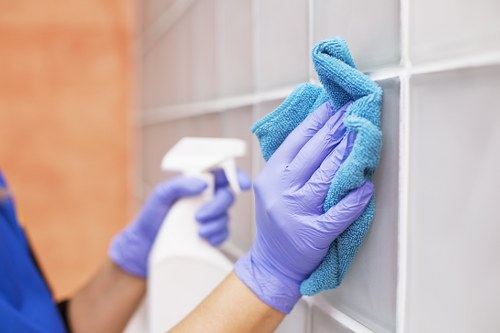
Professional upholstery cleaning in Canary Wharf offers several benefits that go beyond simple visual improvement. One of the biggest advantages is deeper cleaning. Professional methods are designed to remove embedded dirt and refresh the fabric in a way that standard vacuuming cannot. This helps restore softness, improve colour vibrancy, and create a cleaner finish overall.
Another key benefit is fabric protection. Different upholstery types react differently to cleaning products, moisture, and agitation. Trained cleaners understand how to choose the right method for each material, whether it is cotton, wool, microfiber, leather, or a delicate blended textile. This careful approach reduces the risk of shrinkage, distortion, or colour fading.
Professional cleaning can also help extend furniture lifespan. Dirt particles act like tiny abrasives that wear down fibres each time the upholstery is used. By removing this build-up, upholstery cleaning in Canary Wharf helps preserve the structure and feel of the fabric. That means better long-term value for your furniture and less need for early replacement.
Additional benefits include:
- Improved indoor freshness
- Reduced allergens and dust accumulation
- Better presentation for guests, clients, and residents
- Odour reduction from food, smoke, pets, or moisture
- More comfortable seating for everyday use
How Upholstery Cleaning Works
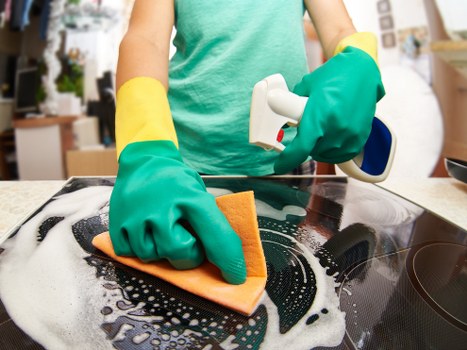
Although the exact process may vary depending on the fabric and condition of the furniture, upholstery cleaning in Canary Wharf usually follows a structured sequence. The first step is inspection. A technician examines the material type, the level of soiling, and any marks or damage that require special attention. This assessment helps determine the safest and most effective cleaning method.
Next comes vacuuming or dry soil removal. Loose dust, crumbs, pet hair, and debris are removed from the surface and seams before any wet cleaning begins. This step is important because it prevents surface dirt from turning into mud during the washing process. It also allows cleaning solutions to work more effectively on the actual stains and fibres.
After that, the selected upholstery cleaning method is applied. Depending on the fabric, this may involve hot water extraction, low-moisture cleaning, foam cleaning, or specialist solvent-based treatment. The aim is to lift dirt without leaving excess moisture behind. Once the cleaning stage is complete, the fabric may be groomed to restore its texture and then left to dry under suitable conditions.
Typical cleaning stages may include:
- Inspection and fibre testing
- Dry vacuuming
- Spot treatment for stains
- Primary upholstery cleaning
- Odour neutralisation if needed
- Final grooming and drying
Types of Upholstery Materials and Their Care Needs

Not all fabrics are the same, and upholstery cleaning in Canary Wharf must be adapted to the material. Natural fibres such as cotton or linen can be attractive and breathable, but they may stain more easily and require careful moisture control. Wool blends are often durable and comfortable, yet they may need gentle cleaning to avoid distortion or shrinkage.
Synthetic fabrics such as polyester or microfiber are often more resistant to everyday marks, but they still trap dust and oils over time. These materials can usually handle a thorough cleaning process, although the exact technique should still match the manufacturer’s recommendations. Leather upholstery is a separate category entirely and often needs specialised cleaning and conditioning rather than standard fabric treatment.
Understanding the fabric is essential. Using the wrong product or method can leave residues, cause water marks, or reduce the lifespan of the furniture. That is why professional upholstery cleaning in Canary Wharf focuses on identifying the correct approach before cleaning begins. A tailored service helps deliver better results while protecting the condition of the item.
Fabric care examples
Microfiber usually responds well to low-moisture techniques and careful stain treatment. Cotton may need more attention to protect colour and prevent water spotting. Wool often benefits from controlled cleaning and gentle drying, while leather may need conditioning after surface cleaning to maintain suppleness.
Upholstery Cleaning for Homes in Canary Wharf
Residential upholstery cleaning in Canary Wharf is valuable for apartments, penthouses, and family homes where furniture is used daily. Sofas and dining chairs are central to everyday life, so they naturally gather dirt, oils, crumbs, and odours. A clean sofa can transform the feel of a living room, making it look brighter, smell fresher, and feel more inviting.
For busy households, regular upholstery cleaning can also reduce the amount of dust and allergens circulating indoors. This is especially useful in homes with children, pets, or family members who are sensitive to dust. Even if furniture appears well maintained, hidden particles can still build up over time. Upholstery cleaning in Canary Wharf helps manage this quietly but effectively.
Residents often appreciate the convenience of a professional service because furniture is a major investment. Instead of replacing a favourite chair or sofa due to stubborn stains or dull fabric, cleaning can revive its look and function. This is a practical and cost-effective way to care for home interiors.
Homeowners often request upholstery cleaning for:
- Living room sofas and corner units
- Dining chairs and benches
- Bedside seating and ottomans
- Armchairs and recliners
- Fabric headboards and occasional furniture
Upholstery Cleaning for Offices and Commercial Spaces
In Canary Wharf’s business environment, presentation matters. Offices, boardrooms, and reception areas often contain upholstered furniture that must look clean and professional every day. Regular upholstery cleaning in Canary Wharf supports a polished appearance and helps businesses create a better experience for staff, visitors, and clients.
Office seating is used intensively, often for long periods, which means it collects body oils, dust, and mark build-up faster than furniture in less active spaces. Meeting-room chairs, breakout-area sofas, and reception seating can all benefit from a professional cleaning schedule. It is not just about appearance; clean upholstery can also contribute to a more pleasant working environment.
Businesses that invest in upholstery cleaning often notice improved overall workspace appeal. Clean furniture can make a reception area feel more professional, a lounge more comfortable, and a meeting space more welcoming. For client-facing businesses especially, this detail can make a strong impression.
Commercial benefits include:
- Better first impressions
- Improved staff comfort
- Support for workplace cleanliness standards
- Reduced odours in shared areas
- Longer furniture lifespan
Stain Removal and Spot Treatment
One of the most requested aspects of upholstery cleaning in Canary Wharf is stain removal. Spills happen in homes and workplaces alike, and the faster they are addressed, the better the outcome. Coffee, tea, wine, sauces, ink, and cosmetic products are among the most common upholstery stains. Some spots are easy to treat, while others require specialist attention.
Professional spot treatment starts with identifying the stain type. Different substances respond to different cleaning solutions, and using the wrong one can spread the mark or set it deeper into the fibres. For example, an oily stain may need a different method from a water-based spill. This is where expertise becomes especially important.
Upholstery cleaning in Canary Wharf often includes a focused stain removal stage before the main cleaning begins. This targeted step can improve the final result and reduce the risk of long-term discolouration. In many cases, early treatment is the best way to preserve the look of the fabric.
Common stain types include:
- Coffee and tea
- Red wine
- Food and sauce marks
- Ink and dye transfer
- Pet accidents
- Grease and body oils
Odour Removal and Freshness
Odours can linger in upholstery even when no visible stain is present. Fabrics absorb smells from food, pets, smoke, sweat, and moisture. In a busy urban setting, these odours can build gradually until the furniture no longer feels fresh. Upholstery cleaning in Canary Wharf helps neutralise these trapped smells and improve the overall atmosphere of a room.
Odour treatment usually works best when combined with deep cleaning, because the source of the smell is often within the fibres rather than only on the surface. Cleaning lifts the residue, while deodorising methods help reduce the lingering effect. This combination can make a significant difference in homes, offices, and hospitality settings.
A fresher room often starts with cleaner soft furnishings. If a sofa or chair is carrying odours, the whole space may seem less pleasant, even with good ventilation. Regular upholstery cleaning helps maintain a more inviting, neutral-smelling environment.
How Often Should Upholstery Be Cleaned?
The right cleaning schedule depends on how often the furniture is used and where it is located. In a home with light use, upholstery cleaning may be needed less frequently than in a busy office or public setting. For homes in Canary Wharf, many people choose a cleaning routine based on household size, pets, children, and lifestyle.
As a general rule, high-use furniture should be cleaned more often than occasional seating. Sofas used every day may benefit from annual or semi-annual cleaning, while office chairs and communal seating may need more frequent attention. In commercial spaces, upholstery cleaning in Canary Wharf can be scheduled to match occupancy levels and presentation requirements.
Regular maintenance is usually more effective than waiting until furniture looks heavily soiled. By cleaning upholstery at sensible intervals, you can preserve its appearance and make each service more efficient.
Factors that affect cleaning frequency:
- Level of daily use
- Presence of pets or children
- Type of fabric
- Exposure to dust or pollution
- Business or home environment
Preparing for Upholstery Cleaning
A little preparation can help upholstery cleaning in Canary Wharf go more smoothly. Clearing small items from the furniture and surrounding area gives cleaners easier access and reduces the chance of misplaced belongings. It is also helpful to identify any known stains, previous treatments, or delicate fabric concerns before the cleaning starts.
If the furniture has loose cushions, these may be removed and cleaned separately where appropriate. Vacuuming around the piece beforehand is useful too, especially if the room has accumulated dust or pet hair. This supports a more efficient and thorough result.
For businesses, scheduling upholstery cleaning outside of peak operating hours can minimise disruption. In residential settings, ensuring good airflow after cleaning can help the fabric dry properly. Good preparation supports better outcomes and smoother service delivery.
Why Local Expertise Matters in Canary Wharf
Choosing upholstery cleaning in Canary Wharf from a provider familiar with the area can be advantageous. Local properties often feature modern interiors, premium materials, and time-sensitive schedules. A service that understands these conditions is better placed to deliver efficient, careful, and appropriate cleaning.
Canary Wharf properties may include luxury furnishings, compact high-rise apartments, shared office areas, and client-facing commercial spaces. Each of these settings has different priorities. Some clients need discreet scheduling, while others need fast turnaround and minimal downtime. Local expertise helps align the cleaning process with those expectations.
Experience with varied fabrics, property types, and usage patterns matters. Upholstery cleaning in Canary Wharf is most effective when it is matched to the needs of the space, the material, and the level of wear.
Choosing the Right Upholstery Cleaning Approach
There is no single method that suits every fabric or every stain. That is why upholstery cleaning in Canary Wharf should be based on inspection, testing, and the specific needs of the item. Some pieces respond best to low-moisture cleaning, while others may need deeper extraction or gentle hand treatment.
When choosing a cleaning approach, the main goal is to achieve a strong result while protecting the integrity of the furniture. This means balancing stain removal, moisture levels, drying time, and product safety. A carefully selected method reduces risk and improves consistency.
For anyone looking to maintain attractive and hygienic furnishings, it is wise to book upholstery cleaning now rather than wait until dirt becomes more difficult to remove. Book your service now and keep your soft furnishings in better condition for longer.
Good upholstery cleaning should offer:
- Fabric-appropriate methods
- Careful stain and odour treatment
- Attention to detail
- Efficient drying practices
- Protection for the furniture’s finish
Final Thoughts on Upholstery Cleaning in Canary Wharf
Upholstery cleaning in Canary Wharf is an important part of maintaining attractive, comfortable, and hygienic interiors. From apartments and family homes to offices and commercial venues, clean upholstery contributes to a better overall environment. It improves appearance, helps control allergens and odours, and supports the lifespan of valuable furniture.
With the right approach, upholstery cleaning can restore freshness without damaging the fabric. Whether you are dealing with everyday wear or a stubborn stain, professional care makes a noticeable difference. Regular maintenance also means your furniture stays in better shape for longer, saving time and money over the years.
If your furniture is looking tired, carrying odours, or simply in need of a refresh, now is a good time to act. Contact us today to arrange upholstery cleaning in Canary Wharf and enjoy cleaner, fresher furnishings that suit the standard of your space.