Canary Wharf carpet cleaning near One Canada Square: a practical guide for homes, offices, and busy commercial spaces
If you are looking for Canary Wharf carpet cleaning near One Canada Square, you are probably dealing with one of those everyday problems that quietly gets worse: a patch of traffic wear by the desk, a coffee spill that has dried in too long, or the slightly stale smell that can hang around in a busy office or apartment after a wet week. In a place like Canary Wharf, where people move fast and spaces need to look sharp, carpet care is not just about appearance. It is about first impressions, comfort, hygiene, and keeping flooring in decent condition for longer.
This guide walks through how carpet cleaning works near One Canada Square, what to expect from a professional service, when it makes sense to book, and how to avoid the mistakes that cost time or leave a carpet looking patchy. We will also cover a few related services that often go hand in hand with carpet work, like deep cleaning, office cleaning, and upholstery cleaning, because in real life the mess rarely stays in one place.
Expert summary: for properties near One Canada Square, the best carpet cleaning approach is usually the one that balances fabric type, drying time, access, and the level of soiling. Not every carpet needs the same treatment, and not every building can handle the same setup. A good cleaner will judge the fibre first, then choose the method. Sounds simple. It often is. But that is where the result usually lives or dies.
- Understand the difference between a light refresh and a full restorative clean.
- Match the method to the carpet fibre, usage level, and drying window.
- Plan around building access, lifts, footfall, and office schedules.
- Use the visit to deal with related areas such as rugs, sofas, and hard floors if needed.
Table of Contents
- Why Canary Wharf carpet cleaning near One Canada Square Matters
- How Canary Wharf carpet cleaning near One Canada Square Works
- Key Benefits and Practical Advantages
- Who This Is For and When It Makes Sense
- Step-by-Step Guidance
- Expert Tips for Better Results
- Common Mistakes to Avoid
- Tools, Resources and Recommendations
- Law, Compliance, Standards, or Best Practice
- Options, Methods, or Comparison Table
- Case Study or Real-World Example
- Practical Checklist
- Conclusion
- Frequently Asked Questions
Why Canary Wharf carpet cleaning near One Canada Square Matters
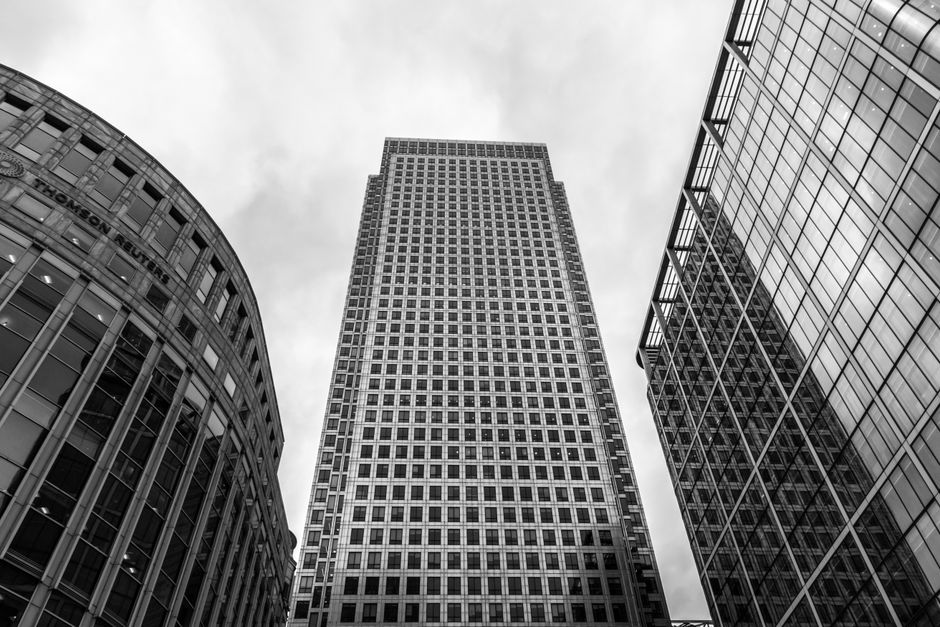
One Canada Square sits in the middle of a very visible part of London. That matters because carpets in and around Canary Wharf tend to take a different kind of punishment from carpets in quieter residential streets. Footfall is higher, shoes bring in more grit, and office life has a habit of producing the usual suspects: tea, coffee, lunch crumbs, damp umbrella marks, and the occasional mystery stain that nobody admits to. You know the sort.
Carpet fibres trap dirt. That is normal. What is not normal is letting that dirt build up until it becomes embedded enough to flatten fibres, dull colours, and create odours that a vacuum cleaner will not shift. In office spaces, a tired carpet can make a polished workplace feel less cared for. In apartments and serviced accommodation, it can make the whole room feel older than it is. And near a landmark building like One Canada Square, presentation carries extra weight.
There is also a practical angle. The right carpet cleaning routine helps extend the life of flooring, which is especially useful in commercial environments where replacement costs are not small. A decent clean can reduce the need for premature carpet replacement and improve day-to-day comfort. That is not marketing fluff. It is just a sensible building-management habit.
If the property is a workplace, it is worth thinking about carpet cleaning alongside office cleaners and window cleaning, because a clean floor and clean glass together change how a space feels. One without the other can look a bit half-done, frankly.
How Canary Wharf carpet cleaning near One Canada Square Works
Professional carpet cleaning is not just a case of spraying something on and hoping for the best. A proper job usually starts with a survey of the carpet type, its condition, the level of traffic, and any problem areas. Wool, synthetic blends, and commercial low-pile carpets all behave differently. So do stains from food, drinks, mud, cosmetic products, or construction dust.
Most services follow a sequence like this:
- Inspection - the cleaner checks fibre type, backing, seams, wear patterns, and any pre-existing damage.
- Vacuuming - dry soil is removed first. This matters more than people think.
- Pre-treatment - targeted solutions are applied to loosen grime and break down spots.
- Agitation - fibres are gently worked so the cleaning agent can reach deeper into the pile.
- Extraction or rinse - depending on the method, soil and residue are lifted out.
- Final grooming and drying advice - the carpet is left looking more even and drying is managed properly.
The most common methods are hot water extraction, low-moisture cleaning, and specialised stain treatment. Hot water extraction is often used for deeper cleans because it can pull out embedded soil effectively. Low-moisture approaches can be useful where drying time is tight, such as in offices that need to reopen quickly. Spot treatment is not a full clean on its own, but it is often the difference between a good result and a slightly awkward one.
In busy Canary Wharf buildings, access can be part of the process too. Lift bookings, reception coordination, security checks, and working around occupied desks all need to be planned. A good provider will not treat that as an inconvenience; it is just part of the job.
Key Benefits and Practical Advantages
There is a short list of reasons people book carpet cleaning near One Canada Square, but each one carries real value. Some are obvious, others only become obvious after the room has been cleaned and everyone notices the difference straight away.
- Better appearance: cleaner carpets brighten a room and reduce that greyed, flattened look that builds up in traffic lanes.
- Reduced odours: spills, damp, and general use can create lingering smells that a vacuum will not fix.
- Improved presentation: important for client-facing offices, managed apartments, and short-let properties.
- Longer carpet life: grit and trapped debris wear down fibres over time.
- More comfortable workspace: people notice a fresher environment, even if they do not say it out loud.
- Better maintenance planning: regular cleaning makes it easier to spot damage before it becomes expensive.
There is also a quiet but real morale benefit. A clean floor changes how people use a space. They are more comfortable putting their bag down, moving between meetings, or letting clients sit down for a chat. Funny how that works, but it does.
If your carpets are part of a wider cleaning schedule, you may also want to pair the visit with one-off cleaning or deep cleaning after a busy period, an event, or a refurbishment. That tends to give the whole place a cleaner baseline instead of chasing individual stains forever.
Who This Is For and When It Makes Sense
Canary Wharf carpet cleaning near One Canada Square is useful for a wide range of people, not just office managers. In practice, the people who benefit most are the ones who need a space to look good and stay practical at the same time.
- Office managers: for reception areas, corridors, boardrooms, and open-plan floors that see heavy traffic.
- Facilities teams: when carpets need scheduled maintenance around building operations.
- Landlords and letting agents: before new tenants move in, or after tenants move out.
- Residents in nearby apartments: especially if there have been spills, pets, or day-to-day wear.
- Businesses with customer-facing areas: where the floor is part of the brand, whether anyone says it or not.
- Post-refurbishment or post-builder properties: where dust has settled into fibres and the carpet looks tired before it has really started living.
It makes sense when vacuuming is no longer enough, when stains keep reappearing after drying, or when the carpet has started to smell slightly off in humid weather. It also makes sense before a big event or after a long period of heavy use. If you are hesitating, ask yourself a simple question: would you be happy with how the floor looks in front of a client, guest, or new tenant? If the answer is no, there is your cue.
Step-by-Step Guidance
Here is a practical way to approach carpet cleaning near One Canada Square without making it more complicated than it needs to be.
- Identify the problem areas. Walk the space slowly. Look for traffic lanes, stains, odours, and matted patches.
- Check the carpet type. If you know whether it is wool, synthetic, or a blend, say so. If not, let the cleaner inspect it.
- Think about timing. Choose a slot that allows enough drying time and least disruption to staff or residents.
- Prepare the area. Move small items, clear loose cables, and make access easy. No need to overdo it, just make life simpler.
- Discuss stains honestly. Mention old spills, cleaning products already used, or any spots that have changed colour.
- Approve the method. A quick clean is not always better. Sometimes a deeper method is the right call.
- Allow proper drying. Keep foot traffic light until the carpet is dry enough to use comfortably.
- Follow maintenance advice. A good cleaner will usually give sensible next steps for keeping the result looking good.
If the carpet is in an office or mixed-use setting, it can help to think beyond the floor. Chairs, skirting edges, and entrance points all collect grime. That is where office cleaning and facade cleaning sometimes fit into the bigger picture, especially if the building is under pressure to look smart from the outside in.
Expert Tips for Better Results
There are a few habits that consistently lead to better carpet cleaning results. None of them are dramatic, but that is the point. Good outcomes usually come from small decisions made before the machine ever switches on.
- Vacuum thoroughly before the appointment. Dry soil acts like sandpaper. Remove as much of it as possible first.
- Be clear about stain history. If you have used a household product before, mention it. Some treatments react badly with others.
- Ask about drying time. Low-moisture methods may suit tight schedules; deeper cleans may need more patience.
- Use entrance mats. They do not solve everything, but they cut down the amount of grit entering the carpet.
- Prioritise high-traffic lanes. In Canary Wharf, those paths between lifts, desks, and meeting rooms can wear fastest.
- Schedule cleans before carpets look "really bad." By then, the fibres have usually been under strain for a while.
One small but useful tip: if you are cleaning in a busy office, try to do it when the building is calmer. Early morning or late afternoon can work well. Mid-morning on a packed weekday? That can become a game of moving chairs and apologising. Nobody needs that.
For softer furnishings near the carpeted area, consider linking the job with sofa cleaning or rug cleaning. Stains often travel visually from one surface to another, and a room feels more finished when the whole thing has had the same level of care.
Common Mistakes to Avoid
The biggest mistakes are usually easy to avoid, which is why they are so frustrating. A few of them crop up again and again.
- Using too much liquid. Over-wetting can leave carpets soggy, slow to dry, and vulnerable to musty smells.
- Scrubbing stains aggressively. That can spread the mark or damage the pile.
- Ignoring fibre type. A method that works on synthetic carpet may be too harsh for a more delicate material.
- Expecting one pass to fix everything. Some stains are old, set in, or partially permanent. Truth be told, not everything is reversible.
- Cleaning without a plan for drying. People sometimes focus on the clean and forget the aftermath. Then the carpet is there, looking great but unusable.
- Booking purely on price. Cheap can be expensive if the result is uneven or leaves a residue.
There is also the "we'll just vacuum it again" trap. Fine for light upkeep. Not fine for embedded dirt, spills, or long-term traffic marks. Let's face it, if vacuuming solved every problem, this article would be about something else.
Tools, Resources and Recommendations
You do not need to be a carpet technician to make smart decisions. A few simple tools and references will help you ask better questions and set the right expectations.
- Good vacuuming equipment: a strong vacuum with proper brush action is the first line of defence.
- Microfibre cloths: useful for blotting spills before they settle further in.
- Neutral carpet spot treatment: choose carefully and test cautiously where possible.
- Entrance mats: especially useful in office receptions and apartment entrances.
- Clear access plan: a simple schedule for lifts, keys, reception, and room access saves time on the day.
From a service-planning point of view, it can help to review pricing and quotes early so you understand what is included. If you are arranging regular maintenance for a larger site, also look at the business side of the service: cleaning company support, insurance, and security procedures matter more in a dense commercial district than people sometimes expect.
For properties with mixed surfaces, it is often more efficient to combine carpet care with hard floor cleaning. That gives you a more coherent result across the space, especially where carpets meet tiled or vinyl areas.
Law, Compliance, Standards, or Best Practice
Carpet cleaning itself is not usually a heavily regulated service in the way some industries are, but that does not mean standards are unimportant. In London commercial buildings, best practice tends to revolve around safe working, insurance, clear communication, and sensible handling of access and waste. If a cleaner is working in an office or managed building, they should respect building rules, protect occupants, and avoid creating slip risks while surfaces dry.
For employers and facilities teams, it is sensible to check that the provider follows sound health and safety procedures, carries appropriate insurance, and can explain how they manage equipment, chemicals, and on-site risks. That is just common sense. It is also one of the reasons people review health and safety policy information and insurance and safety details before making a booking.
If sustainability matters to your building, ask about water use, product choice, and disposal practices. Some clients care deeply about that, others just want reassurance that the job will be done responsibly. Both are fair. It also helps to understand terms and conditions, payment processes, and what happens if access changes on the day. Boring? Maybe a bit. Useful? Absolutely.
For private customers, the same principle applies in simpler form: choose a provider who is clear about what they will do, how long it should take, and what aftercare is required. If anything is uncertain, ask. Good service providers should not mind.
Options, Methods, or Comparison Table
Different carpets and different buildings need different approaches. Here is a simple comparison to help you think through the options.
| Method | Best for | Typical strengths | Things to watch |
|---|---|---|---|
| Hot water extraction | Deep soil, heavy use, most commercial carpets | Strong soil removal, good for a thorough refresh | Needs drying time and careful moisture control |
| Low-moisture cleaning | Offices with limited downtime, lighter maintenance cleans | Faster turnaround, less disruption | May be less effective on heavy staining or compacted dirt |
| Spot treatment | Fresh spills, isolated marks | Targets specific issues quickly | Rarely enough on its own for a full clean |
| Scheduled maintenance cleaning | Busy offices, managed buildings, shared spaces | Keeps carpets presentable all year | Needs planning and consistent follow-through |
There is no single "best" method for every job. A smart cleaner chooses the method based on the carpet, not the other way around. That sounds obvious, but you would be surprised how often it gets skipped.
Case Study or Real-World Example
Picture a mid-sized office a short walk from One Canada Square. The reception carpet looks fine from a distance, but when you get close you can see dark walkways where people come in from the lifts, and there is a faint coffee smell near the waiting area. The team has been vacuuming regularly, yet the carpet still looks flat and a bit tired.
In a situation like that, a sensible approach is to inspect the fibre first, then treat the traffic lanes and stains before deciding on the main cleaning method. If the building has a tight schedule, a low-moisture approach might be enough for a maintenance clean. If the carpet is more soiled than it first appears, a deeper extraction clean may be better, even if it means keeping people off the floor for longer.
After the clean, the difference is usually subtle at first and then obvious all at once. The room feels brighter. The smell changes. The carpet no longer looks as if it is carrying the week on its back. That is often the moment the facilities team says, "Right, we should have done this sooner." Happens a lot.
In a nearby residential scenario, the same logic applies but with different priorities. A family living near the Wharf may care more about quick drying, pet odours, and keeping access easy around school runs and work calls. Same service, different shape. That is the real-world part people sometimes miss.
Practical Checklist
Use this checklist before booking Canary Wharf carpet cleaning near One Canada Square.
- Identify the carpet type if possible.
- Note any visible stains, odours, or traffic lanes.
- Decide whether you need a light refresh or a deeper clean.
- Check access details, including lifts, reception, parking, and building rules.
- Choose a time that allows for proper drying.
- Move small furniture and loose items if requested.
- Tell the cleaner about any products already used on the carpet.
- Ask how they handle drying, protection, and aftercare.
- Consider pairing the clean with related services if the space needs them.
- Confirm pricing, scope, and what happens if the job changes on the day.
If you are organising cleaning for a larger site, it may also be worth thinking about the wider maintenance picture, including cleaners, home cleaners, or domestic cleaning depending on whether the space is residential, mixed-use, or office-led. Not every job needs the same setup.
Get a free quote today and see how much you can save.
Conclusion
Canary Wharf carpet cleaning near One Canada Square is really about keeping a busy, visible space looking and feeling the way it should. For some people that means a fresh office entrance. For others it means restoring a flat, lived-in apartment carpet to something much more presentable. Either way, the basics stay the same: match the method to the carpet, plan for access and drying, and do not wait until the flooring looks exhausted.
If you get those decisions right, the result is usually more than cosmetic. The space feels better underfoot, smells cleaner, and makes a stronger impression without trying too hard. And honestly, that is often the point. A good carpet clean should quietly improve the room, not make a fuss about itself.
Take it one sensible step at a time, and the whole job becomes far easier than it first looks.
Frequently Asked Questions
How often should carpets be cleaned near One Canada Square?
It depends on footfall, use, and the type of space. Busy offices may need more regular maintenance, while residential carpets might only need occasional deep cleaning. High-traffic entrances usually need attention sooner than the rest of the room.
What is the best method for office carpet cleaning in Canary Wharf?
There is no single answer. Hot water extraction can work well for deep soil, while low-moisture methods are often better when downtime is limited. The right choice depends on fibre type, usage, and drying window.
How long does carpet cleaning take to dry?
Drying time varies with the method used, the carpet pile, ventilation, and weather conditions. A low-moisture clean usually dries faster, while deeper extraction work needs more patience. Good airflow makes a real difference.
Can carpet cleaning remove old stains?
Sometimes, yes. Older stains can often be improved, but not every mark can be removed completely. The age of the stain, the product used, and the carpet material all affect the outcome.
Do I need to move furniture before carpet cleaning?
Usually only small or light items, unless the cleaner asks otherwise. Larger furniture is often worked around. It is best to confirm the plan in advance so there are no surprises on the day.
Is carpet cleaning suitable for wool carpets?
Yes, but wool needs more careful handling than many synthetic carpets. The cleaner should use a suitable method and avoid over-wetting or harsh treatment. Always mention the carpet fibre if you know it.
What should I do before the cleaner arrives?
Vacuum if possible, clear small items from the floor, and point out any stains or damaged areas. If the property is in a managed building, make sure access details are sorted too. That saves everyone time.
Can carpet cleaning help with smells as well as stains?
Yes. Trapped dirt, spills, and damp can all contribute to odour. A proper clean often freshens the room noticeably, especially if the carpet has been holding onto traffic grime or pet smells.
Should I combine carpet cleaning with other services?
If the rest of the room also looks tired, it can make sense to combine carpet cleaning with sofa, rug, or office cleaning. That gives a more even result and often feels more worthwhile than tackling one surface at a time.
How do I choose a reliable carpet cleaning company near One Canada Square?
Look for clear communication, a sensible explanation of the method, proper insurance, and practical advice about drying and aftercare. If they rush the explanation or promise miracles, that is probably not ideal.
Is carpet cleaning disruptive in a busy Canary Wharf building?
It does need planning, but it should not be chaotic. Good coordination around lifts, access, and timing keeps disruption down. In many cases, the work can be scheduled around office hours or quieter periods.
What is the difference between carpet cleaning and deep cleaning?
Carpet cleaning focuses specifically on the flooring, while deep cleaning is broader and may cover additional surfaces and detailing. If a space needs a more thorough reset, the two can complement each other well.